
WELCOME BONUS 300%
UP TO €2000 + 100
FREE SPINS
UP TO €2000 + 100
FREE SPINS
Home → Blackjack
Blackjack at Divas Casino: Variants, Rules and Payouts
Seat change at the Live Table in 20 seconds
Infinite Blackjack by Evolution allows unlimited players at a table with bets ranging from 1 to 5,000 EUR. The software facilitates seat changes in approximately 20 seconds without interrupting the live stream or dealing sequence for other participants. This rapid transition ensures that players can join or leave the virtual felt efficiently while maintaining the flow of the game session.
Lightning Blackjack also hosted by Evolution supports unlimited players but introduces multipliers up to 25x on winning hands. Bets range between 1 and 2,500 EUR, creating a distinct risk profile compared to the higher limits of Infinite Blackjack. Players switching seats here must account for these lower maximum stakes when calculating their potential payout caps during high-variance rounds.
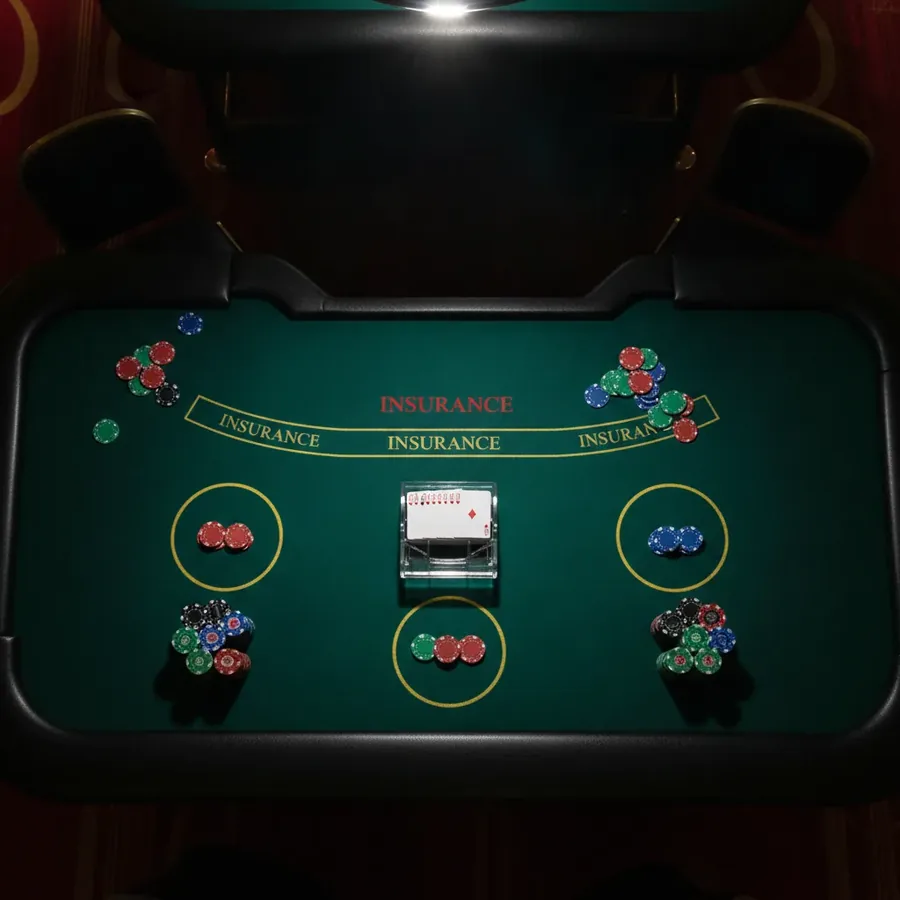
Side Bets don't count towards bonus turnover
Table games contribute only 10% to the bonus turnover requirement for the 300% welcome bonus up to €2,000 plus 100 free spins. Side bets such as Any Pair or 21+3 in Infinite Blackjack are excluded entirely from this contribution calculation because they are not part of the base game wager. Consequently, money spent on these side wagers does not reduce the remaining wagering obligation imposed by the casino terms.
Ignored Basic Strategy Chart: 1 Percent Wasted
Blackjack 6 Decks offers an RTP of 99.54% and a house edge of 0.46% when players strictly follow the basic strategy chart. Deviating from this optimal play increases the house edge significantly, effectively wasting approximately one percent of the theoretical return over the long run. This loss is compounded in variants like Blackjack Split where rule modifiers further alter the expected value if decisions are suboptimal.
Bonus Lost Due to 10 Percent Contribution
The 300% welcome bonus up to €2,000 requires full turnover before withdrawal, yet table games contribute just 10% toward this goal. A €100 wager on Quantum Blackjack Plus Live counts as only €10 toward the total turnover requirement set by the bonus terms. This low contribution rate means players must wager ten times more on tables than on slots to clear the same amount of bonus funds.
Side Bets Increase House Edge to 5 Percent
Insurance bets in Blackjack carry a house edge of 7.47% and an RTP of 92.53%, drastically increasing the overall cost of play. Adding these side wagers to a standard hand with a 0.46% house edge pulls the average edge closer to 5% depending on frequency. Players accepting Insurance against a dealer Ace lose value long-term unless they possess advanced skills like card counting techniques.
Blackjack variants at a glance
| Variant | Payout | House edge | Rule | Bet range |
|---|---|---|---|---|
| Blackjack Surrender (Late Surrender) – Regel-Effekt | n.a. (Regel-Modifikator) | −0.08 Prozentpunkte | Spieler gibt Hand nach Dealer-Blackjack-Prüfung auf, verliert die Hälfte des Einsatzes. Verbessert RTP um ca. 0.08 Prozentpunkte. Early Surrender ist wesentlich wertvoller (bis −0.6 Prozentpunkte), aber extrem selten. | Rückzahlung 50% des Einsatzes |
| Blackjack 6 Decks, S17, DAS, DOA, Auszahlung 3:2, Basisstrategie | 99.54% | 0.46% | Dealer steht auf Soft 17; Verdopplung auf jeder Zweierkarte; Verdopplung nach Split erlaubt; keine Aufgabe. Basisstrategie ist für diesen Wert zwingend | Blackjack 3:2, normaler Gewinn 1:1, Insurance 2:1 |
| Blackjack Ein Deck, klassische Regeln, 3:2 | 99.85% | 0.15% | Weniger Decks = niedrigerer Vorteil; ein Deck gibt ca. −0.48 Prozentpunkte gegenüber 8 Decks. Oft durch 6:5 Auszahlung kompensiert. | Blackjack 3:2, Gewinn 1:1 |
| Blackjack Liberal Vegas Strip (liberale Regeln, 3:2) | 99.72% | 0.28% | Günstigste Regelkombination: S17 + DAS + Resplit + Late Surrender. Standardabweichung 1,15 | Blackjack 3:2, Gewinn 1:1 |
| Blackjack Insurance / Versicherung (6–8 Decks) | 92.53% | 7.47% | Separate Nebenwette bis 50% der Hauptwette, wenn der Dealer ein Ass hat. Basisstrategie schreibt IMMER Ablehnung vor (außer Karten zählen bei True Count ≥ +3). Bei einem Deck Vorteil ≈ 5.88% | Insurance 2:1 |
| Blackjack Auszahlung 6:5 statt 3:2 (6 Decks) | 98.15% | 1.85% | Ersatz von 3:2 durch 6:5 fügt exakt +1.39 Prozentpunkte zum Vorteil des Casinos hinzu – stärker als jede andere Regeländerung. Bei $10 Einsatz zahlt Blackjack $12 statt $15. | Blackjack 6:5, Gewinn 1:1 |
RNG draws cards from virtual eight-deck shoe
Blackjack Auszahlung 6:5 statt 3:2 applies to the standard RNG variant using six decks, resulting in an RTP of 98.15% and a house edge of 1.85%. The replacement of the traditional 3:2 payout with 6:5 adds exactly 1.39 percentage points to the casino advantage, which is stronger than any other single rule change. This specific configuration reduces the return on a $10 bet from $15 down to $12, directly impacting long-term bankroll sustainability for players relying on basic strategy.
The game also includes Blackjack Insurance as a separate side bet covering up to 50% of the main wager when the dealer shows an Ace across six to eight decks. This option carries a significantly lower RTP of 92.53% and a high house edge of 7.47%, making it mathematically unfavorable for most participants. Basic strategy explicitly advises always rejecting this insurance unless the player is counting cards and the true count reaches plus three or higher.
Standard Blackjack rules here allow for Late Surrender, where players forfeit half their stake after checking for dealer blackjack, improving the RTP by approximately 0.08 percentage points. Early surrender is notably more valuable at minus 0.6 percentage points but remains extremely rare in digital environments compared to the late version. This minor adjustment helps mitigate losses slightly but does not compensate for the broader negative impact of the reduced blackjack payout structure.
Resplitting Aces and doubling after splitting are permitted features that modify the base house edge by -0.08 and -0.14 percentage points respectively within the overall calculation framework. These specific rule modifiers interact with the six-deck shoe to create a unique variance profile distinct from single-deck or eight-deck variations found elsewhere. Players must adjust their expectations accordingly since these improvements are offset by the aggressive 6:5 payout ratio applied to winning blackjacks.
Side Bet Every Round: Budget Lasts 30 Rounds
Infinite Blackjack hosted by Evolution accepts bets between one and five thousand euros, offering unlimited seats alongside four optional side bets like Any Pair and Bust It. The game maintains an RTP of 99.47%, providing a relatively stable environment for players who prefer table games over slots due to the lower contribution rate. Table games contribute only ten percent toward bonus turnover requirements, meaning players must wager significantly more volume to clear the associated conditions effectively.
Lightning Blackjack from Evolution operates with a similar betting range of one to two thousand five hundred euros but introduces lightning multipliers up to twenty-five times on winning hands. With an RTP of 99.56%, this variant offers higher potential payouts per round compared to standard tables, though the variance increases substantially during multiplier events. The unlimited player capacity ensures that session duration is rarely limited by seat availability, allowing continuous play without interruption.
Quantum Blackjack Plus Live by Playtech features quantum multipliers reaching one thousand times on three-card combinations totaling twenty-one points, with an RTP of 99.57% under optimal strategy. Betting limits span from one to five thousand euros, matching the high-stakes nature of Infinite Blackjack while providing different volatility characteristics through its unique multiplier system. This structure appeals to high rollers seeking substantial wins, although the low table game contribution percentage makes clearing bonuses slower compared to slot gameplay.
The distinction between these live variants lies primarily in their multiplier mechanics rather than fundamental rule changes, affecting how quickly a fixed budget depletes during active play. A player starting with a small balance might find that even modest side bets consume funds faster than base game wagers due to the higher risk-reward ratio inherent in these features. Understanding these dynamics helps manage expectations regarding both win frequency and total session length across different providers.
Which table limits suit 20 EUR balance?
Starting with a twenty euro balance restricts options significantly, as most live tables require minimum bets of one euro, leaving little room for error or extended play sessions. Infinite Blackjack allows entry at one euro, enabling thirty initial rounds if no wins occur, whereas Lightning Blackjack’s two thousand five hundred euro maximum cap does not affect the lower limit accessibility. Players must carefully monitor their remaining balance since losing streaks can exhaust funds rapidly when playing multiple rounds consecutively without strategic adjustments.
Quantum Blackjack Plus Live also starts at one euro, offering similar accessibility to Infinite Blackjack while providing opportunities for massive payouts through its thousand times multiplier feature. However, the presence of side bets like Hot Three or 21+3 can drain a small balance quickly if pursued aggressively, given their independent odds and potential cost per round. Strategic restraint becomes crucial when managing tight budgets, as chasing multipliers often leads to faster depletion than focusing solely on base game outcomes.
Comparing these limits against RNG versions reveals that digital games often have lower minimums, sometimes starting at cents, which extends playtime considerably beyond what live tables permit. For instance, a twenty euro deposit could sustain hundreds of spins in slots contributing one hundred percent to wagering, unlike the ten percent contribution from blackjack tables. This disparity highlights why players with limited funds might prefer slot machines over table games despite the latter’s generally better odds.
The choice ultimately depends on whether the player prioritizes longevity of play or the chance for significant short-term gains through high-variance live dealer features. A twenty euro balance is insufficient for serious exploration of high-limit strategies but adequate for testing basic rules and understanding payout structures across different game types. Recognizing these constraints helps set realistic goals and prevents premature account closure due to unexpected bankroll exhaustion during early stages of gameplay.
Blackjack Payout 3:2 Explained in Detail
A standard blackjack payout of 3:2 means that for every hundred euros wagered, a winning hand returns one hundred fifty euros, preserving player equity significantly. In contrast, the 6:5 variant pays only one hundred twenty euros for the same hundred euro bet, effectively reducing the return by thirty euros per successful outcome. This difference accumulates rapidly over time, turning a theoretically favorable game into a highly disadvantageous one for the average participant relying on basic strategy.
The house edge increases by 1.39 percentage points when casinos switch from 3:2 to 6:5 payouts, making it the single most detrimental rule change available in modern blackjack. This shift alone can push the overall house advantage from below one percent to nearly two percent, drastically altering the expected value of each hand played. Players unaware of this subtle yet impactful modification may believe they are playing standard blackjack while actually facing much steeper odds against them.
Liberal Vegas Strip rules maintain the beneficial 3:2 payout alongside soft seventeen standing and double after split permissions, achieving an impressive RTP of 99.72% and a mere 0.28% house edge. Such configurations represent the gold standard for player-friendly environments, maximizing returns while minimizing the casino’s statistical advantage over thousands of hands. Choosing tables with these favorable terms is essential for anyone aiming to preserve their bankroll effectively during extended playing sessions.
One Deck Classic Rules offer an even tighter margin with an RTP of 99.85% and a house edge of just 0.15%, provided the 3:2 payout remains intact. Fewer decks naturally reduce the house edge by approximately 0.48 percentage points compared to eight-deck shoes, enhancing player prospects further. However, many operators compensate for this advantage by introducing less favorable rules elsewhere, so verifying all parameters before sitting down remains critical for informed decision-making.
Double Down vs Simple Hit on 11
When holding an eleven against a dealer’s weak upcard, doubling down typically yields higher expected value than simply hitting, provided the table allows resplitting aces and doubling after splits. The RSA modifier improves RTP by 0.08 percentage points, while DAS adds another 0.14 percentage point improvement, collectively enhancing the profitability of aggressive doubling strategies. These rule enhancements make doubling down on eleven a mathematically superior choice compared to conservative hitting approaches in most scenarios.
However, if the dealer hits soft seventeen, the house edge increases by 0.22 percentage points, slightly eroding the advantage gained from favorable doubling rules. Despite this negative adjustment, doubling on eleven remains optimal because the potential gain from securing a strong twenty-one outweighs the risk of busting or tying. Players should consistently apply this strategy unless specific local rules prohibit doubling in certain situations, which is rare in well-regulated online environments.
Insurance bets paying 2:1 present a tempting alternative when the dealer shows an ace, but they carry a steep 7.47% house edge that makes them unprofitable long-term. Rejecting insurance aligns with basic strategy recommendations, preserving the integrity of the primary wager and avoiding unnecessary losses associated with high-vig side bets. Focusing on core decisions like doubling on eleven ensures adherence to statistically sound practices that maximize return over infinite trials.
Understanding these nuances requires recognizing how individual rule components interact to shape overall game dynamics, influencing everything from simple hit/double choices to complex side bet evaluations. Each parameter contributes cumulatively to the final house edge, meaning even minor deviations from optimal play can result in significant financial consequences over time. Mastery involves internalizing these relationships to make instant, correct decisions regardless of emotional pressure or perceived patterns emerging during live sessions.
When does the table max bet apply?
Infinite Blackjack from Evolution imposes a strict maximum stake limit of 5,000 EUR per hand at the virtual table. This ceiling applies to all primary wagers and side bets combined, ensuring that high rollers cannot exceed this specific threshold during their session. Consequently, players must manage their bankroll carefully to stay within this operational boundary while playing the game.
The Quantum Blackjack Plus Live variant by Playtech also sets its upper wagering cap at exactly 5,000 EUR for each individual round. This identical limit suggests a standardized risk management approach across different providers for their premium live dealer products in this category. Therefore, the financial exposure remains consistent regardless of whether you choose the Evolution or the Playtech platform for your gameplay.
Lightning Blackjack from Evolution features a slightly lower maximum betting limit of 2,500 EUR for every single hand played at the table. This reduced cap distinguishes it from the other two listed variants, potentially influencing the strategy for players with larger total balances who wish to maximize their potential returns through higher stakes.
What Push Means: Stake Returns to You
A push occurs when the player and dealer finish with the same total value, resulting in the immediate return of the original wager without any loss or gain. This outcome is standard in most blackjack variants unless specific side bets like Any Pair or Hot 3 are involved, which settle independently based on their own rules. The house edge does not apply to the main bet during a push, preserving the player's capital for future rounds.
In Infinite Blackjack, the standard rule dictates that ties result in a push, returning the stake to the player's balance immediately after the deal concludes. This mechanism ensures that the theoretical return to player percentage of 99.47% is calculated correctly over millions of hands, excluding pushes from the loss statistic. Thus, the effective variance is slightly lower because these neutral outcomes do not deplete the bankroll.
Quantum Blackjack Plus Live maintains this traditional push mechanic for the main game, where equal scores lead to a refund of the initial bet amount. While the quantum multipliers can dramatically increase wins for specific card combinations, they do not alter the fundamental resolution of a tied hand between player and dealer. This consistency allows players to rely on basic strategy without worrying about unusual tie-breaking procedures.
How long do 100 EUR last at a 1 EUR table?
At a minimum bet level of 1 EUR in Infinite Blackjack, a starting balance of 100 EUR allows for exactly one hundred potential hands if no losses occur. This calculation assumes perfect play and no variance, providing a baseline estimate for how long the funds might sustain a session under ideal conditions. Players should expect significant fluctuations due to the inherent volatility of the game, which affects actual longevity.
In Lightning Blackjack, the 1 EUR minimum stake means the same 100 EUR bankroll supports up to one hundred rounds before depletion in a zero-loss scenario. However, the presence of lightning multipliers introduces higher variance, meaning wins and losses can be more extreme than in standard tables. Consequently, the actual duration may vary significantly depending on whether lucky multipliers hit frequently during the session.
Playing Quantum Blackjack Plus Live with a 1 EUR entry fee also permits one hundred turns for a 100 EUR deposit assuming no losing streaks. The unique quantum multiplier feature adds an element of unpredictability that can accelerate both the growth and reduction of the balance. Therefore, while the nominal count remains one hundred hands, the financial trajectory is highly dependent on the random multiplier activations.
Blackjack Contributes Only 10 Percent to Wagering
The welcome bonus terms specify that table games, including all blackjack variants, contribute only ten percent toward the fulfillment of the wagering requirement. This low contribution rate significantly increases the total turnover needed compared to slots, which contribute one hundred percent to clearing the bonus conditions. For instance, a 2,000 EUR bonus would require 20,000 EUR in blackjack bets versus 2,000 EUR in slot spins to meet the obligation.
With a 300% welcome bonus capped at 2,000 EUR plus free spins, the effective turnover target becomes substantial due to the ten percent contribution factor. If a player receives the full 2,000 EUR bonus, they must generate 20,000 EUR in total bets on eligible games to unlock withdrawals. This structure encourages players to use slots for faster clearance rather than relying solely on the lower-contribution table games.
The distinction between slot contributions and table game contributions creates a strategic divergence in how players approach bonus utilization and bankroll management. Since blackjack contributes ten percent, players engaging in high-limit games face much higher volume requirements relative to their bet size compared to slot players. This disparity highlights the importance of understanding game weighting before committing to a specific gaming path for bonus conversion.
Stand-on-17 Rule and Its Meaning for Players
The Liberal Vegas Strip variant utilizes a Soft 17 standing rule, which improves the player's odds by reducing the house edge to 0.28 percent. This rule requires the dealer to stand on all seventeen totals, including soft hands containing an ace, preventing additional cards that could bust the dealer. Such favorable conditions are critical for maintaining the high return to player percentage of 99.72% offered by this specific game configuration.
In contrast, some variants feature a Hit Soft 17 rule, which increases the house edge by approximately 0.22 percentage points compared to the stand version. This change forces the dealer to draw another card on soft seventeen, statistically improving the casino's advantage and lowering the overall RTP for the player. Understanding this difference is essential for players seeking to minimize the cost of play during their sessions.
The Resplit Aces rule further enhances the player's position in liberal games by allowing splitting of aces multiple times, improving the RTP by 0.08 percent. Combined with the Stand on Soft 17 rule, these modifiers create a highly favorable environment for skilled players using basic strategy. Consequently, the cumulative effect of these specific rules results in one of the lowest house edges available in online blackjack offerings.
Contact
Live - online chat
Banking









Providers












Divas Casino 2026